

Warning! This blog contains content that may be graphic to those with a disdain for Bugs!
If you’re seeing or suspecting rodents in Yuba City, you’re not alone. Rodents are resilient animals that adapt quickly to homes, apartments, restaurants, and warehouses. This guide explains what rodents are, why they matter, how to spot early warning signs, and simple prevention steps. When you’re ready for removal or long-term protection, read our follow-up post on rodent removal and contact Cal King Pest Control at (530) 673-6322.
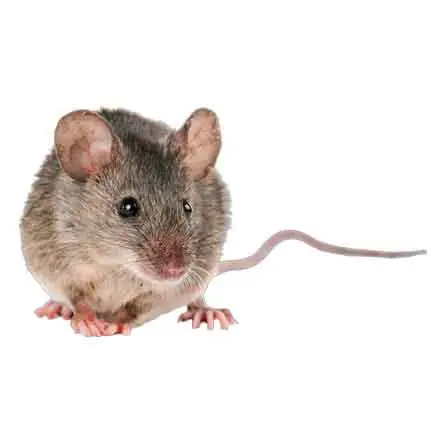
Rodents are mammals in the order Rodentia. The group is huge—more than 2,000 known species, accounting for well over 40% of all mammal species. They’re found across the world and are known for a single pair of continuously growing incisors in the upper and lower jaws, which is why they gnaw. Sizes range from tiny mice to large capybaras that can exceed 100 pounds (45 kg). Common examples include mice, rats, squirrels, and beavers.
Quick facts (consistent with our on-site education materials):
• Diversity: 2,000+ species; ~40% of mammals.
• Incisors: Keep growing—gnawing prevents overgrowth.
• Diet: Many eat plants, seeds, and nuts; some (like rats and mice) will also eat insects or other small animals.
• Reproduction: High reproductive rates; mice and rats can produce multiple litters per year.
While our area has many wild rodents, the three we most encounter in homes and businesses are:
House mouse (Mus musculus): Small, agile, often gray. Can be confused with deer mice, but house mice lack the deer mouse’s sharp color line and white underside. UC IPM
Roof rat (black rat): Slim body, large ears, long tail; excellent climbers.
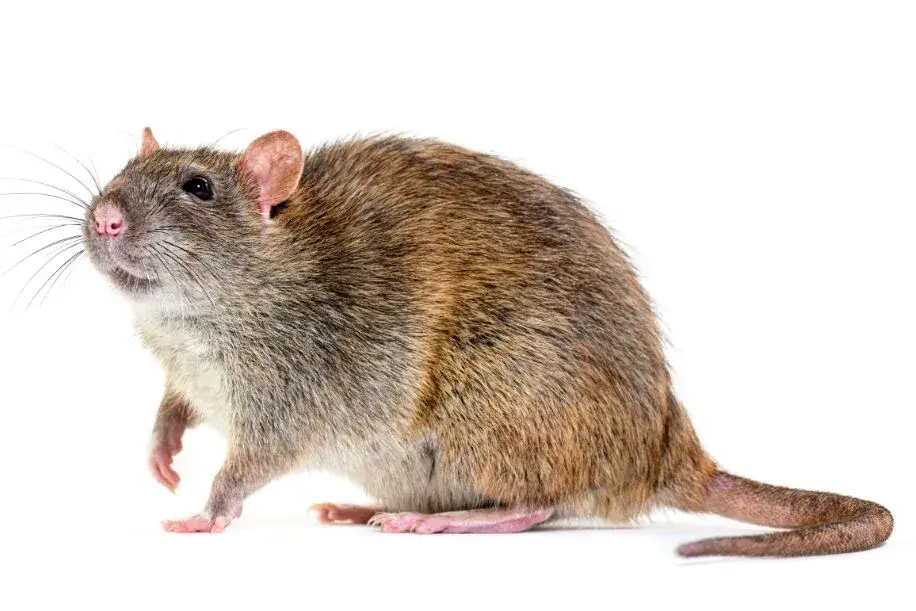
Norway rat (brown rat): Larger, heavier body; prefers lower levels, burrows, and ground floors.
(We confirm species during inspection because treatment plans vary by species and site.)

Rodents aren’t just a nuisance; they can affect health and property:
Catching activity early keeps costs low and results better. Look for:
Mice can squeeze through openings as small as a dime; rats need only slightly larger gaps. Typical entry points include gaps under garage and exterior doors, utility penetrations, foundation cracks, roofline gaps, attic vents, and around plumbing or HVAC lines. (Our inspections map and measure these pathways so we can seal them.)
Good prevention uses Integrated Pest Management (IPM)—a balance of sanitation, exclusion, monitoring, and targeted controls. Here are starter steps:
Remove food and water sources: Store food in sealed containers, clean crumbs, fix leaks, manage pet food.
Declutter and trim vegetation: Reduce nesting spots indoors and out.
Seal entry points: Weather-strip doors, screen vents, and seal gaps around pipes and cables.
Use traps/baits correctly: When needed, place traps in protected areas and follow label directions; keep baits and pesticides away from pets and children.

If you see repeated droppings, hear scratching at night, or notice damage, a professional assessment helps you act quickly and safely. Cal King Pest Control offers residential, commercial, and industrial rodent services with Saturday appointments and after-hours options by request. We serve Yuba City, Marysville, Lincoln, Rocklin, Auburn, Grass Valley, and surrounding areas. Call (530) 673-6322 or request a free estimate online.
Planning next steps? Read our upcoming guide: Rodent Removal in Yuba City: Safe, Fast & Thorough
We’re a family-owned, licensed and bonded pest control company with 35+ years of experience in Yuba-Sutter and the Sierra Foothills. Our technicians provide clear communication, customer notifications, and guaranteed one-time services, plus monthly or bimonthly maintenance options. Have questions about species, cleanup, or long-term prevention? We’ll walk you through it step by step.
Contact: Yuba City (530) 673-6322 • Auburn (530) 878-0282 • Roseville (916) 218-1030 • Grass Valley (530) 272-7028 • Lincoln (916) 434-8831
Editorial note on sources & safety:
Health and prevention guidance in this article is aligned with current CDC and EPA materials on rodent-borne disease, sanitation, and safe control practices. For deeper reading, see CDC’s pages on hantavirus and leptospirosis, EPA’s Identify and Prevent Rodent Infestations, and UC ANR’s mouse identification guides. CDC