

Warning! This blog contains content that may be graphic to those with a disdain for Bugs!
Finding cockroaches inside a home or business is more than an unpleasant surprise—it can point to conditions that allow roaches to survive: food residue, moisture, warmth, and hidden shelter. Some roach species live and breed indoors, especially around kitchens and bathrooms, while others mainly live outdoors and wander inside.
This guide covers the basics of cockroaches, including where they hide, what attracts them, what they eat, and clear answers to questions like do cockroaches bite and do cockroaches fly.
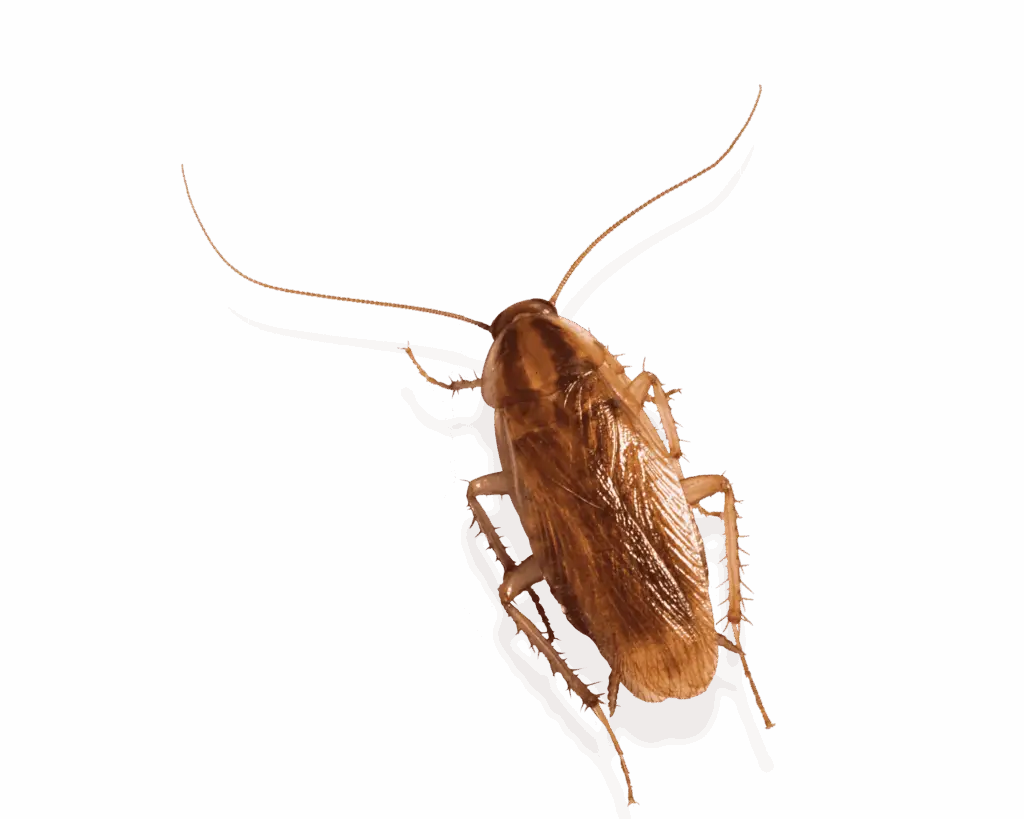
Cockroaches are insects with flattened bodies that are well adapted for squeezing into tight spaces and hiding during the day. Many species have wings (though not all fly well), and they typically become active at night as they forage for food and water.
UC IPM identifies several cockroach species commonly regarded as pests in California, including:
Why this matters: Different species behave differently. German cockroaches are strongly associated with indoor kitchens and food-handling areas, while larger roaches often come from outdoor or sub-structure environments (like crawlspaces, sewer lines, or damp utility areas).
If you’ve wondered what do cockroaches eat, the short answer is: almost anything organic.
Roaches are scavengers. They feed on food scraps, grease, crumbs, pet food, cardboard glue, and organic debris. In many cases, the “food” that sustains a population is hidden—thin grease films behind appliances, crumbs under cabinets, or residue in trash and recycling areas.
People ask do cockroaches bite because roaches can look intimidating. Biting is not common, and most encounters don’t involve bites. Roaches are far more likely to flee and hide. The bigger concern is contamination (they can move between unsanitary areas and food surfaces) and allergen exposure from droppings, shed skins, and body parts.
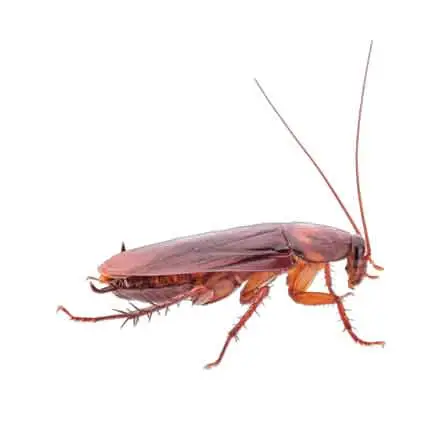
Do cockroaches fly? Some species can, but it depends on the roach and even the sex of the roach.
In homes, “flying roaches” are often outdoor species that wander in, especially during warm months or when exterior lighting draws them toward entry points.
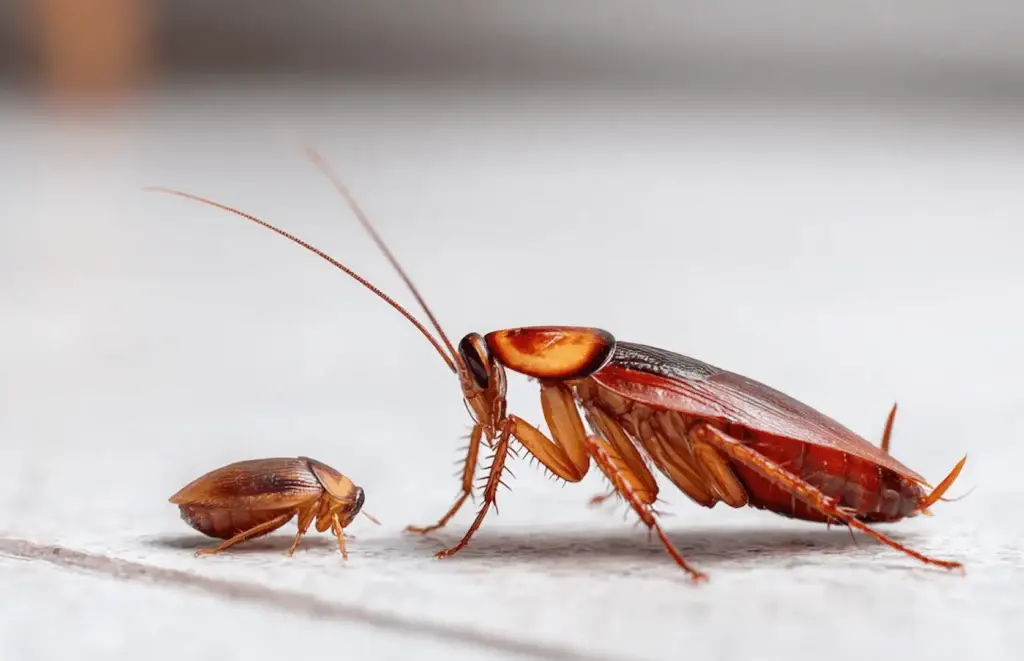
Cockroaches are important from a health and hygiene perspective because they can:
- Contaminate food and food-contact surfaces, and
- Contribute to indoor allergens that can trigger asthma symptoms in sensitive individuals.
The EPA specifically notes that proteins associated with cockroaches (including from feces and saliva) can cause allergic reactions or trigger asthma symptoms in some people.
Cockroaches prefer warm, dark, tight spaces near food and water. Common hiding areas include:
A key reason infestations grow unnoticed: many cockroaches hide during the day and forage at night.
Even a single roach can be a warning sign—especially if it’s a known indoor breeder like the German cockroach. Common indicators include:
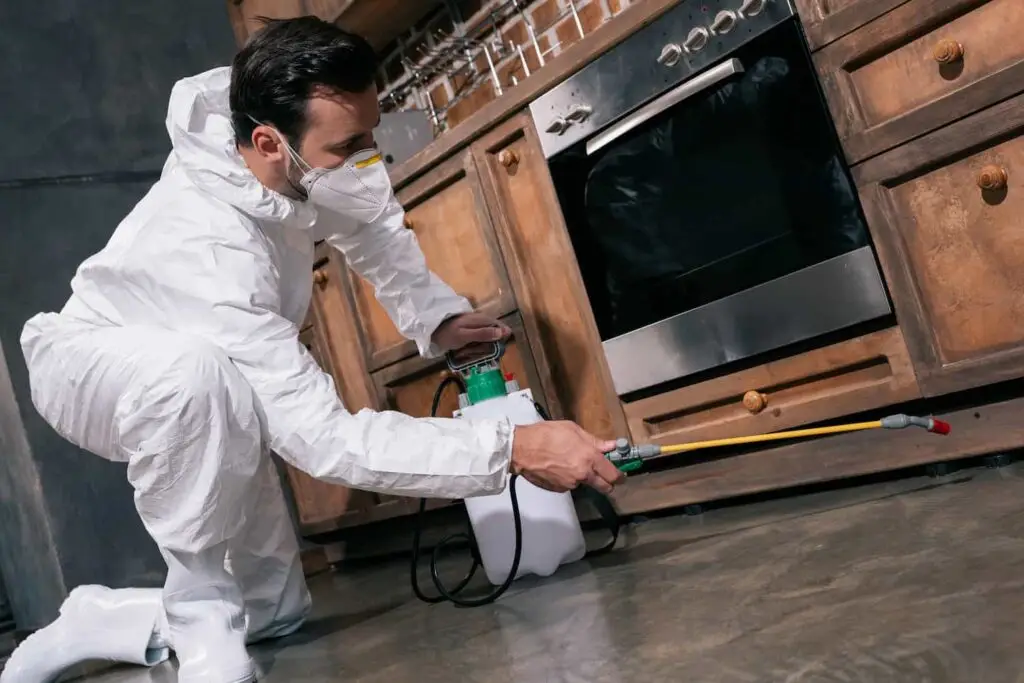
Authoritative IPM guidance emphasizes that sanitation and exclusion are foundational, and that baits and monitoring are generally more effective than routine spraying for many indoor cockroach problems. UC IPM and other IPM resources repeatedly stress that pesticides alone won’t solve the underlying issue without fixing conditions that support roaches.
We proudly serve Yuba City, Marysville, Wheatland, Plumas Lake, Lincoln, Loomis, Rocklin, Auburn, Live Oak, Gridley, Oroville, Grass Valley, Sutter, Meridian, Colusa, Sheridan, Pleasant Grove, and surrounding areas.
Call now:
Yuba City: (530) 673-6322
Auburn: (530) 878-0282
Roseville: (916) 218-1030
Grass Valley: (530) 272-7028
Lincoln: (916) 434-8831
Or request a Free Estimate via the website.
Want to know how to get rid of cockroaches? “How to Get Rid of Cockroaches Yuba City: Cockroach Control“
