
Warning! This blog contains content that may be graphic to those with a disdain for Bugs!
If you’re searching how to get rid of cockroaches, the most reliable approach is Integrated Pest Management (IPM): remove food and water, reduce hiding spots, seal entry points, and use targeted controls (especially baits) with monitoring. UC IPM emphasizes that sanitation and exclusion are essential, and pesticides alone won’t solve cockroach problems—baits typically provide better control than sprays for many indoor infestations.
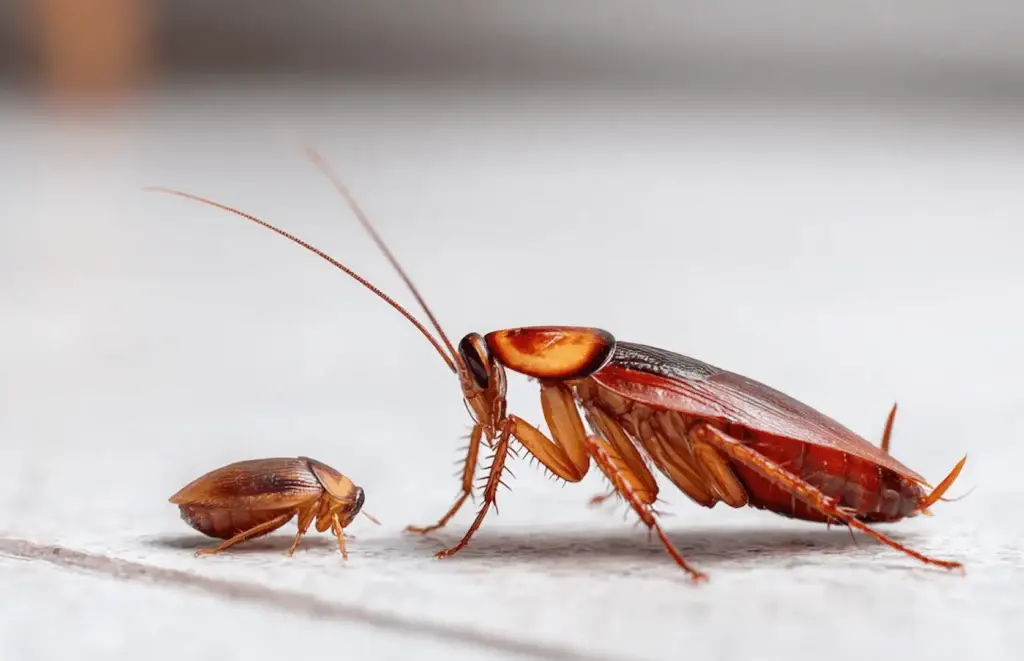
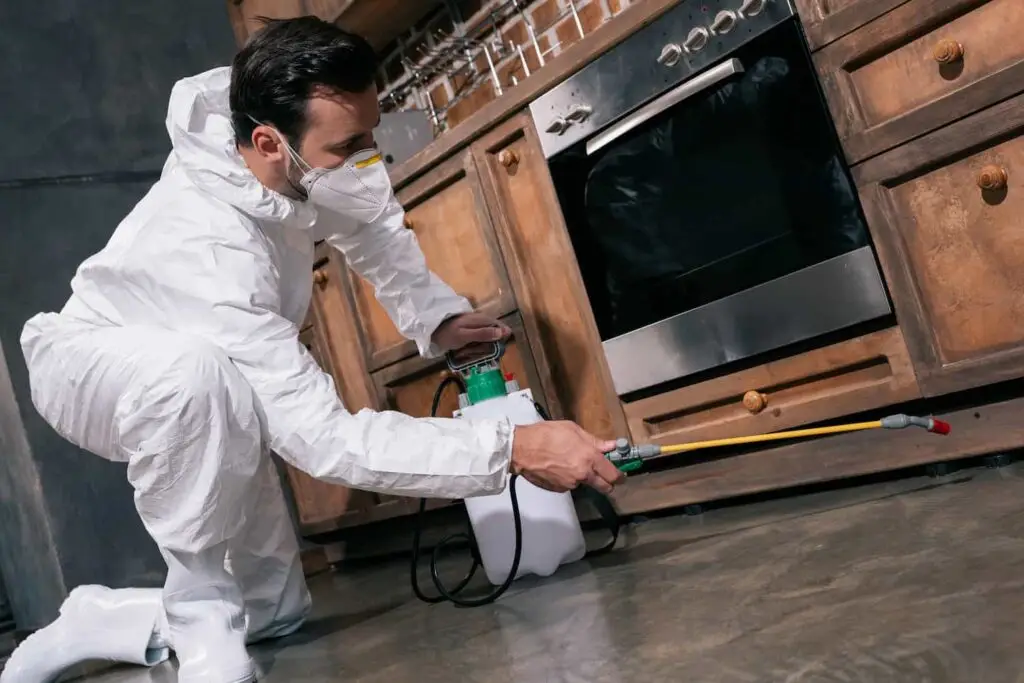
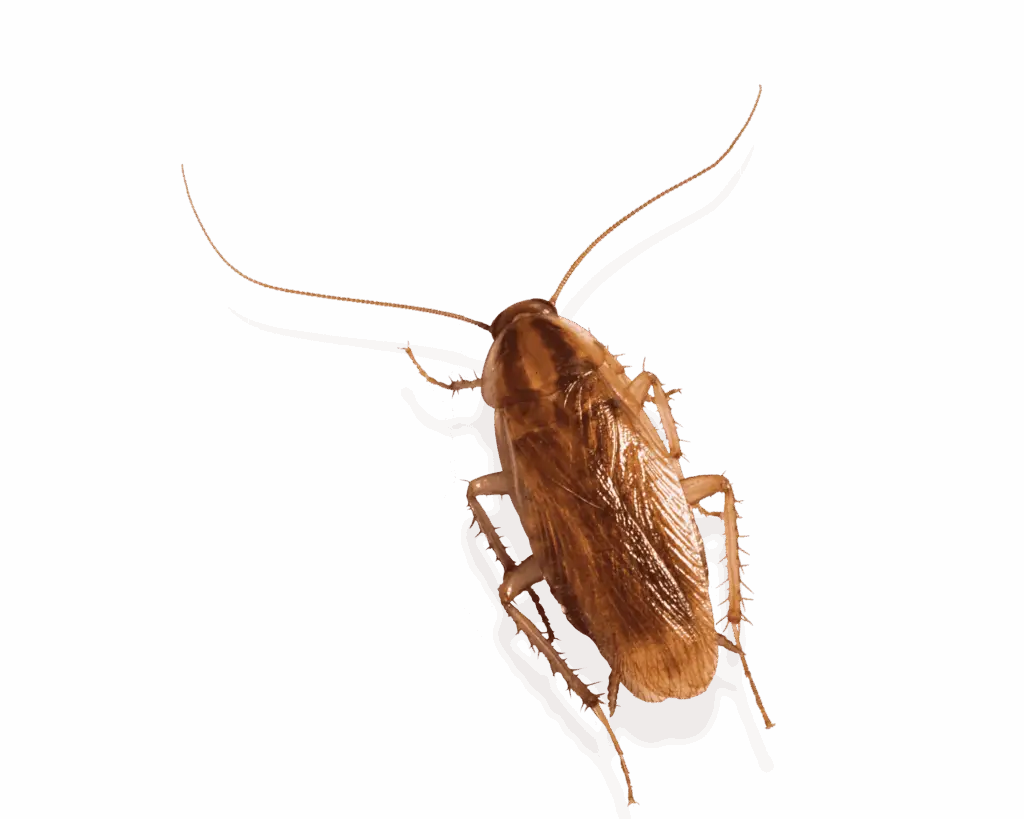
Effective cockroach control depends on the species. UC IPM notes that the German cockroach is the most persistent indoor pest in California and is associated with food-prep areas, while other species may be more outdoor-oriented and wander inside.
Practical takeaway:
Cockroaches thrive where they can consistently find food residue, grease, and crumbs—often in places you don’t regularly see. UC IPM highlights sanitation as foundational.
High-impact actions:
Roaches need water and often concentrate near plumbing and condensation. Reduce what they rely on:
Moisture control is a core IPM pillar because it makes kitchens and bathrooms less survivable for roaches.
Roaches hide in tight cracks and voids during the day. Reduce the shelter that protects them:
Even modest sealing reduces how far a population can spread and improves bait performance.
When roach numbers are low, visual sightings can be misleading. Multiple university extension resources recommend sticky traps as a reliable monitoring tool placed in key travel corridors (along walls, under sinks, near appliances).
Where to place sticky monitors:
Track weekly counts to verify improvement and find the true “hot spots.”
For many indoor cockroach problems, UC IPM recommends baits over routine spraying because baits are typically more effective and can reach hidden populations through foraging and sharing behaviors.
Baiting best practices:
Total-release foggers (“bug bombs”) are commonly used for cockroaches, but EPA warns of serious safety risks, including fire/explosion hazards (due to flammable propellants) and illness from improper use or reentry.
In addition, broad fogging and spraying often fails to reach deep harborages and can interfere with bait-focused programs.
Step 8: Confirm success (and prevent the rebound)
A solid finish line is objective:
- Sticky trap counts drop to near zero and stay there for 2–3 weeks
- No new droppings/egg cases/shed skins in known hot spots
- Sanitation and moisture controls remain consistent
If activity returns quickly, it typically points to missed harborages, moisture issues, a neighboring source (multi-unit settings), or insufficient follow-up.
Cockroach allergens are a real concern in many buildings. EPA notes that proteins in cockroach feces and saliva can cause allergic reactions or trigger asthma symptoms in some individuals.
DIY steps may help with isolated sightings or outdoor-invader situations, but professional service is the best move when:
Cal King Pest Control is family-owned, licensed and bonded, with 35+ years of experience, serving Yuba City and surrounding areas. Call (530) 673-6322 or request a free estimate online.
We proudly serve Yuba City, Marysville, Wheatland, Plumas Lake, Lincoln, Loomis, Rocklin, Auburn, Live Oak, Gridley, Oroville, Grass Valley, Sutter, Meridian, Colusa, Sheridan, Pleasant Grove, and surrounding areas.
Call now:
Yuba City: (530) 673-6322
Auburn: (530) 878-0282
Roseville: (916) 218-1030
Grass Valley: (530) 272-7028
Lincoln: (916) 434-8831
Or request a Free Estimate via the website.
Want to know more about cockroaches? “Cockroaches in Yuba City Homes: Answers to Common Questions“
